Paint matching
Why RAL colour names change between languages and shops
RAL numbers stay fixed while the names get translated, shortened and reused by shops. Why the four digits are what to quote, plus a checklist for ordering.
Read the noteChart / 1000 series / RAL 1021 Rape yellow
A light, strong yellow on screen. First published on this chart 24 March 2013.
This swatch is a screen approximation of the colour. Check a physical RAL fan deck or a painted sample of the actual product before you order or match anything.
| Hex (sRGB) | #F6B600 |
|---|---|
| RGB | 246, 182, 0 |
| HSL | 44°, 100%, 48% |
| CMYK (naive) | 0, 26, 100, 4 |
| CIE Lab (from sRGB) | 77.9, 11.2, 80.5 |
| Relative luminance | 53% |
| Text contrast | white text 1.8:1, black text 11.6:1 |
Values are derived from the approximate hex above. CMYK is a simple conversion, not a print recipe: printers convert through their own profiles. Luminance is a screen figure, not a measured light reflectance value (LRV) from a paint data sheet.
Clean, strong and warm, rape yellow is the mid yellow most people picture on a digger or a warning post. It sits very close to RAL 1023 traffic yellow and is a little less orange than RAL 1003 signal yellow.
Shades like this are common on construction machinery, cranes, warning marking and playground metal. Yellow is a weak hider, so prime white or light grey and allow for a third coat over dark substrates.
RAL 1021 rape yellow is a strong, warm mid yellow. Some sellers call it colza yellow, which is simply another name for the same oilseed plant, so you may see either name on a tin or a data sheet. Both point to the same number, so when ordering, quote RAL 1021 rather than relying on the name alone.
It is widely offered as a ready mixed colour in machinery enamels, aerosol paints, industrial coatings and powder coatings, so it is usually easy to find. Tell the supplier the substrate (steel, galvanised steel, aluminium or timber), whether the item lives indoors or outdoors, and the gloss level you want. Gloss is the usual choice on machinery because it sheds dirt and looks clean; satin hides surface flaws better on old, pitted metal.
Yellow is a weak hider. The pigments that give a clean, bright yellow let a lot of the base show through, so the primer matters more than it does with darker colours:
Rape yellow is very close to RAL 1023 traffic yellow and RAL 1003 signal yellow, and on a screen the three can look almost identical. If you are touching up existing work, check the old paint against a physical fan deck before ordering, since an old yellow may also have faded or chalked and will no longer look like a fresh chip.
Typical uses include construction machinery, cranes and lifting gear, warning marking, handrails, bollards and playground metal. It pairs well with black for warning stripes, with RAL 7016 anthracite grey or RAL 9005 jet black on machinery details, and with white.
To check a sample, paint a test card over the same primer you will use, let it dry fully and compare it with the fan deck in daylight. Wet yellow often looks different from the dried film, so wait before judging. For powder coating, ask for a sprayed and cured test panel, as the cure can shift the shade slightly.
Quote the number, not just the name: say "RAL Classic 1021" and add the gloss level, the product type (wall paint, metal paint, powder, aerosol) and the surface. The same number mixed by two makers, or in two gloss levels, can look slightly different, so keep a whole job in one batch and look at a sample in daylight first. The paint counter guide covers the questions to ask.
RAL numbers stay fixed while the names get translated, shortened and reused by shops. Why the four digits are what to quote, plus a checklist for ordering.
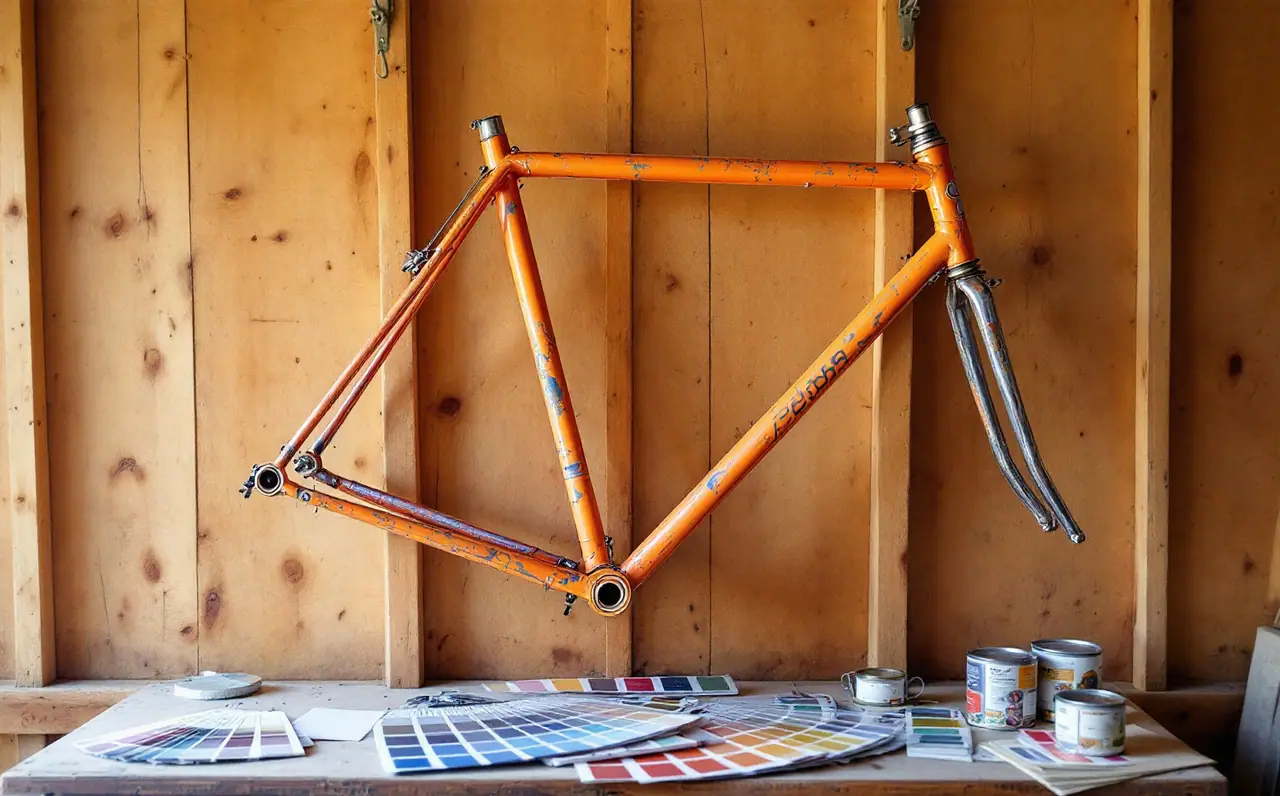
Read the noteOld bike frames wore their makers' own colours, not RAL. How to find the original shade, pick a RAL number a coater can use, and handle fluorescents and decals.
Read the note