
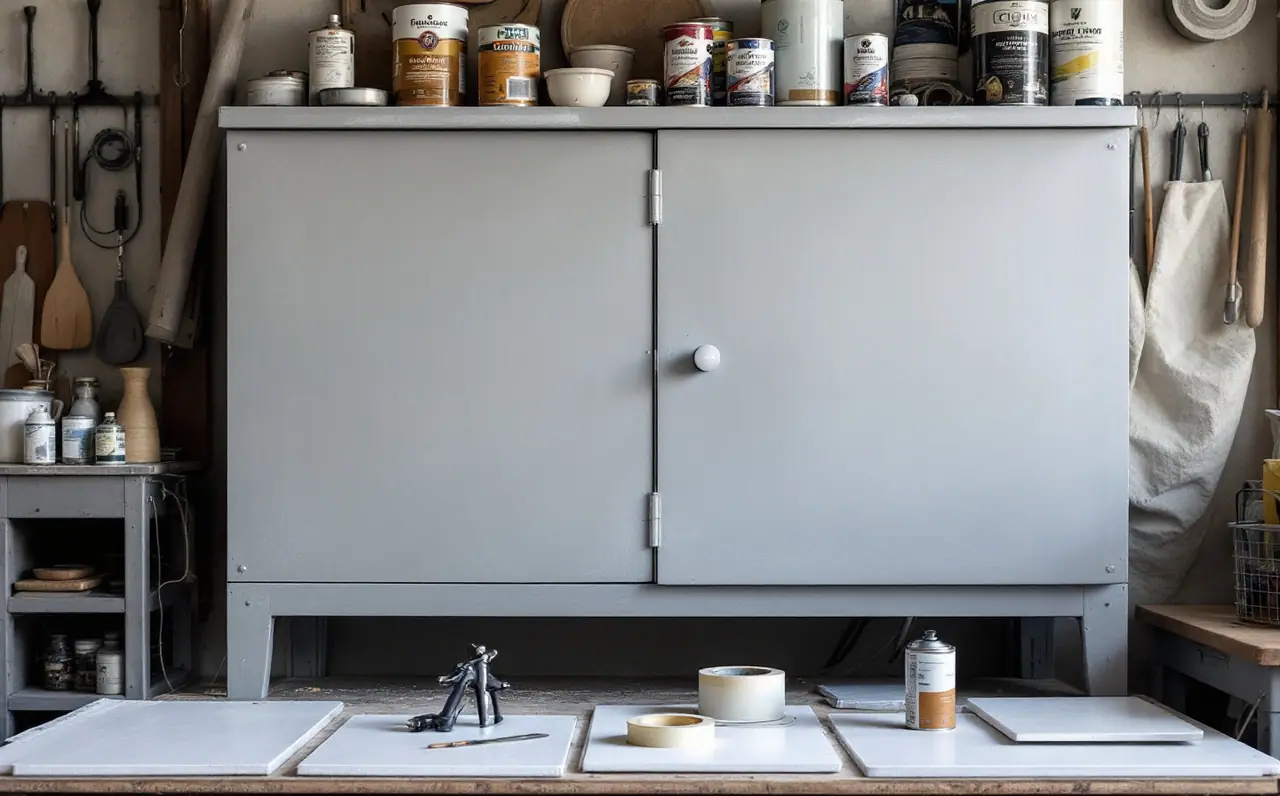
Workshop notes
Which primer colour to use under a RAL topcoat
Primer shade decides how many topcoats you need and whether a yellow or red ever looks right. How to pick white, light, mid or dark grey under a RAL colour.
Read the noteChart / 1000 series / RAL 1023 Traffic yellow
A light, strong yellow on screen. First published on this chart 23 April 2013.
This swatch is a screen approximation of the colour. Check a physical RAL fan deck or a painted sample of the actual product before you order or match anything.
| Hex (sRGB) | #F7B500 |
|---|---|
| RGB | 247, 181, 0 |
| HSL | 44°, 100%, 48% |
| CMYK (naive) | 0, 27, 100, 3 |
| CIE Lab (from sRGB) | 77.8, 12.2, 80.4 |
| Relative luminance | 52.8% |
| Text contrast | white text 1.8:1, black text 11.6:1 |
Values are derived from the approximate hex above. CMYK is a simple conversion, not a print recipe: printers convert through their own profiles. Luminance is a screen figure, not a measured light reflectance value (LRV) from a paint data sheet.
On most screens traffic yellow is hard to tell from RAL 1021 rape yellow: a pure, saturated mid yellow meant to read clearly at distance. It is slightly cleaner and less orange than RAL 1003 signal yellow.
It is used for road and site marking, bollards, barriers, signage and machinery. If you are touching up existing work, compare it with RAL 1021 on a physical deck, because the two are easily confused.
Quote the number, not just the name: say "RAL Classic 1023" and add the gloss level, the product type (wall paint, metal paint, powder, aerosol) and the surface. The same number mixed by two makers, or in two gloss levels, can look slightly different, so keep a whole job in one batch and look at a sample in daylight first. The paint counter guide covers the questions to ask.
Primer shade decides how many topcoats you need and whether a yellow or red ever looks right. How to pick white, light, mid or dark grey under a RAL colour.
Read the note