
Doors, windows and railingsColour at home
RAL 7016 anthracite grey on windows and doors
Why RAL 7016 anthracite grey ended up on so many window frames and doors, how it behaves in daylight, what it pairs with and when a neighbouring grey suits better.
 By Bram Visser8 minute read
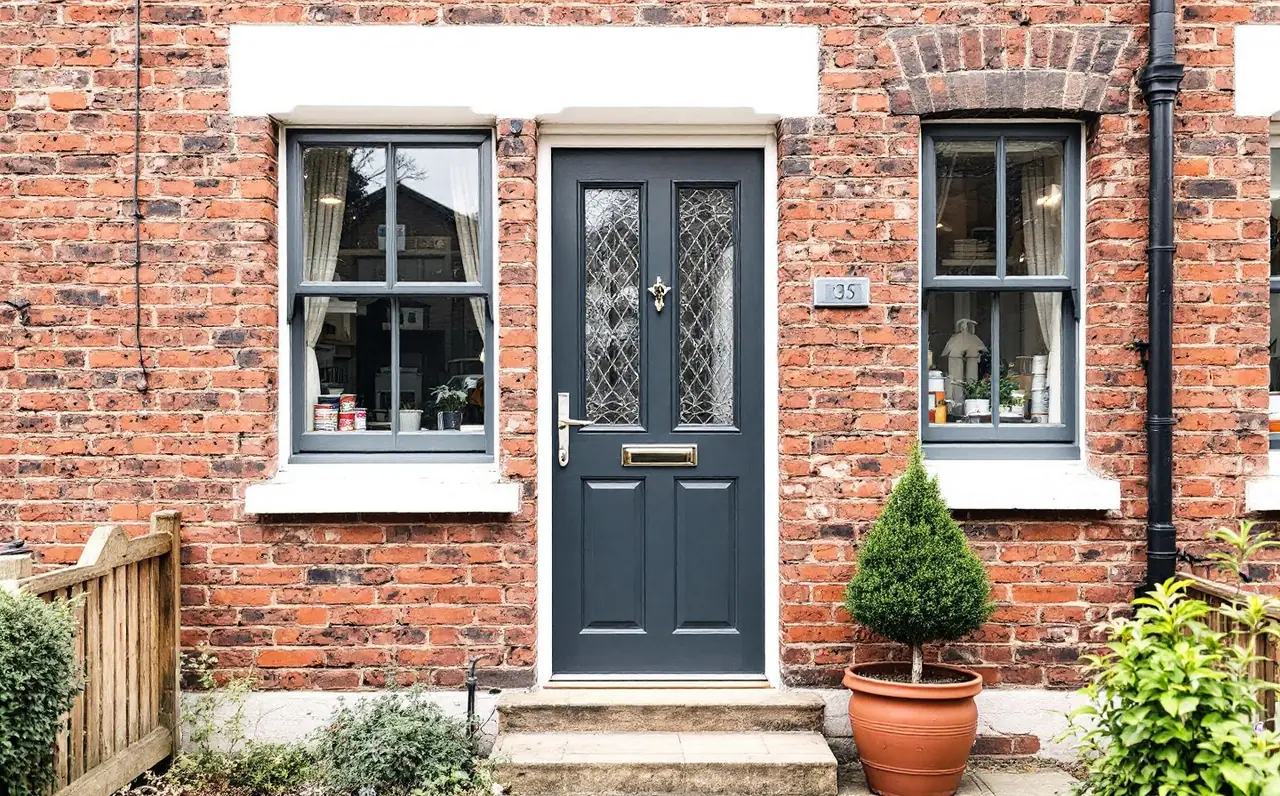
Walk down almost any street of newer or renovated houses in the Netherlands, Germany or Britain and you will count dark grey window frames before you reach the corner. A good share of them will be RAL 7016 anthracite grey, or a foil or powder sold as something close to it. Garage doors, front doors, gates and fascias followed the windows, and the colour has become the default "modern" choice for the outside of a house.
That popularity is earned. It is also a reason to look at it carefully before you sign an order, because 7016 has a few habits that only show up on the actual building.
Why 7016 became the default
There are a few practical reasons, and none of them is mysterious.
- It reads as dark without being black. Black frames can look heavy and show every speck of dust and pollen. A dark grey gives the same crisp outline with a little more softness.
- It works with most walls. Red brick, buff brick, white or grey render, timber cladding and painted panels all sit reasonably well next to it.
- It became widely available. Once window and door makers offered it as a standard colour on uPVC foils and powder-coated aluminium, it became the easy dark option: short lead times, no special order, matching parts in stock.
- It hides the frame. Dark frames visually shrink, so glass looks bigger and the opening looks cleaner, which suits slim modern profiles.
The last point is the one I find most convincing on older houses too. A chunky white uPVC frame in a period brick facade draws the eye to the plastic. The same frame in a dark grey recedes and lets the brickwork do the talking.
What 7016 looks like on a real wall
On a screen this site gives RAL 7016 anthracite grey an approximate value of #373F43. Like every hex value, that is a screen approximation and nothing more. In person, the colour has a slight blue-green cast that most screens flatten out.
That cast is the thing to watch. In grey northern daylight, especially on a north-facing elevation, 7016 can look distinctly cool, almost slate blue. In low evening sun it warms up and darkens towards charcoal. At dusk it reads as near black. On a bright summer day with strong reflections off glass, the frames can look lighter and greyer than you expected.
None of this is a defect. It is what a dark, slightly blue grey does outdoors. But it means you should judge it on the actual elevation, at more than one time of day, with a real sample held against the brick or render. A small chip in a showroom under warm spotlights tells you very little.
Pairing 7016 with walls and other colours
With white
The most common partner is RAL 9016 traffic white, a clean, slightly cool white that is also a standard colour for uPVC. Dark grey outside and white inside is a very common window specification: the outside face of the frame is foiled or coated in 7016, the inside stays white. It works because the interior keeps its light and the exterior gets the dark outline.
On sills, fascias and soffits, 9016 against 7016 gives a sharp contrast. If that feels too stark against a warm brick, a slightly softer white for nearby painted timber can take the edge off.
With brick
Red and orange brick: the cool grey and the warm brick contrast well. This is the combination you see most often, and it rarely goes wrong.
Buff, yellow or pale brick: still good, but the frames will look darker and more dominant because there is less contrast in the wall itself. Check a sample on a sunny day.
Dark brown or blue engineering brick: the frames can disappear into the wall. A lighter grey sometimes gives a better outline.
With render
White render gives the most graphic, modern look. Grey render is where people get caught out: a mid-grey render with a warm undertone and a blue-grey frame can clash in a way that is hard to name but easy to see. If the render is grey, hold the frame sample against the actual wall before ordering.
With timber
Cedar, larch and oak cladding all sit comfortably with 7016. The warm wood and cool grey balance each other, and the frames keep the timber from looking rustic.
uPVC foil versus coated aluminium
This is where specifying "RAL 7016" stops being straightforward, because the same name covers different materials and finishes.
| Frame type | How the colour is applied | Typical surface | What to know |
|---|---|---|---|
| uPVC, foiled | A coloured plastic film laminated onto the profile | Smooth or woodgrain-embossed | Foil makers often use their own colour names. A "7016" foil is a close approximation, not a paint mixed to a formula. |
| uPVC, sprayed | A coating sprayed onto the profile | Usually smooth or fine texture | Done after manufacture or as a refurbishment. Durability depends on the system and preparation. |
| Aluminium, powder-coated | Powder sprayed and baked onto the metal | Smooth, fine texture or woodgrain effect | Gloss level and texture both change how dark the colour looks. |
| Steel or composite doors | Factory coating or laminate | Smooth or embossed | Doors often come from a different factory than the windows, so colours may differ slightly. |
The practical point: if your windows are foiled uPVC and your front door is powder-coated aluminium or a composite with its own finish, they may not look identical even though both are sold as 7016. A woodgrain foil also catches the light differently from a smooth powder coat, so the textured frame will look a touch lighter and less even. Ask to see samples of each material side by side.
When you order replacement parts or a new door to sit next to existing frames, the same rule applies as at the paint counter. Name the colour system and number precisely, name the material and finish, and ask for a sample. Matching a RAL number at the paint counter covers the paint side of this in more detail.
Dark colours and heat on uPVC
Dark surfaces absorb more sunlight than light ones and get hotter. uPVC softens as it heats and expands more than aluminium does, so window and door makers pay attention to dark colours on uPVC, especially on large frames, doors and south or west facing elevations. Some use foils or profiles designed for dark colours, and some limit which colours are available on certain sizes or products.
I am not going to give temperature figures or rules here, because they depend on the profile system. The general advice is simple: if you want 7016 or another dark colour on uPVC, ask the maker or installer whether that product is approved for it in your size and orientation, and follow their guidance. If you are thinking of painting existing white uPVC frames dark grey, check with the frame maker first, since a dark coating on a profile not designed for it can cause problems and may affect any warranty.
Aluminium is less sensitive to this, which is one reason dark aluminium frames are so common on large glazed openings.
When a neighbouring grey suits better
7016 is not the only dark grey in the RAL Classic range, and sometimes another one fits the house better.
RAL 7021 black grey, at an approximate #2E3234 on screen, is darker and closer to black, with less of the blue cast. It suits buildings where 7016 looks too blue, and it gives a stronger outline on pale walls. It shows dust a little more.
RAL 7022 umbra grey is a warmer, slightly brownish dark grey. Next to warm stone, buff brick or a grey render with a warm undertone, it can sit more naturally than 7016's cooler tone.
RAL 7039 quartz grey is lighter and warmer again, a mid grey with a hint of olive. It suits older houses where a dark frame would feel too heavy, and it pairs well with timber and natural stone.
Not every window or door maker offers all of these as standard. 7016 is far more widely stocked, and the others may mean longer lead times or a special order.
A worked example: a red brick terrace
Picture a 1930s red brick terraced house getting new windows and a new front door. The owner wants 7016. Here is how I would turn that into an order that leaves nothing to guess.
- Windows: uPVC, smooth foil, "RAL 7016 outside, RAL 9016 inside". Smooth rather than woodgrain, because a woodgrain foil looks lighter and busier next to the composite door.
- Front door: ask the door supplier whether their 7016 finish is a laminate or a coating, and get a sample of it next to a window foil sample before committing.
- Sills and fascia: painted timber or uPVC in white, with the white chosen by holding samples against the 9016 window interiors and the brick together.
- Check: tape the window and door samples to the brick on the front elevation and look at them on a grey morning and a sunny afternoon.
If the samples look too blue against that particular brick on the grey morning, that is the moment to try 7021 or 7022 instead, not after the frames are fitted.
Questions readers ask
Will 7016 frames make my house look dated in ten years?
Nobody can promise that, but dark grey frames have been common for a long time now and still look current on most houses. A colour that suits the brick or render tends to age better than one picked for fashion alone.
Should the front door match the windows exactly?
Not necessarily. Many people choose 7016 windows and a different door colour, such as a deep green, a blue or a timber finish, to give the front a focal point. If you do want them to match, ask for samples of both materials together, since a door and a window frame from different factories can look slightly different.
Does 7016 fade?
Any coloured surface outdoors changes slowly with sun and weather. Factory-applied powder coats and foils designed for exterior use generally hold their colour well, but the rate depends on the product. Check the maker's guarantee and cleaning advice, and clean frames regularly with mild soap and water, since grime makes dark colours look patchy long before the colour itself changes.
Can I get the inside white and the outside 7016?
Yes, and it is one of the most common specifications. Ask the window maker for "RAL 7016 outside, white inside" (or the specific white they use, often 9016) and confirm which face is which on the order, especially for doors.
Bram Visser
Bram writes about colour on the outside of houses: front doors, window frames, garage doors, fences and railings. He has repainted more Rotterdam doorways for friends than he likes to admit.
More from the same drawer

Why RAL colour names change between languages and shops
RAL numbers stay fixed while the names get translated, shortened and reused by shops. Why the four digits are what to quote, plus a checklist for ordering.
Read the note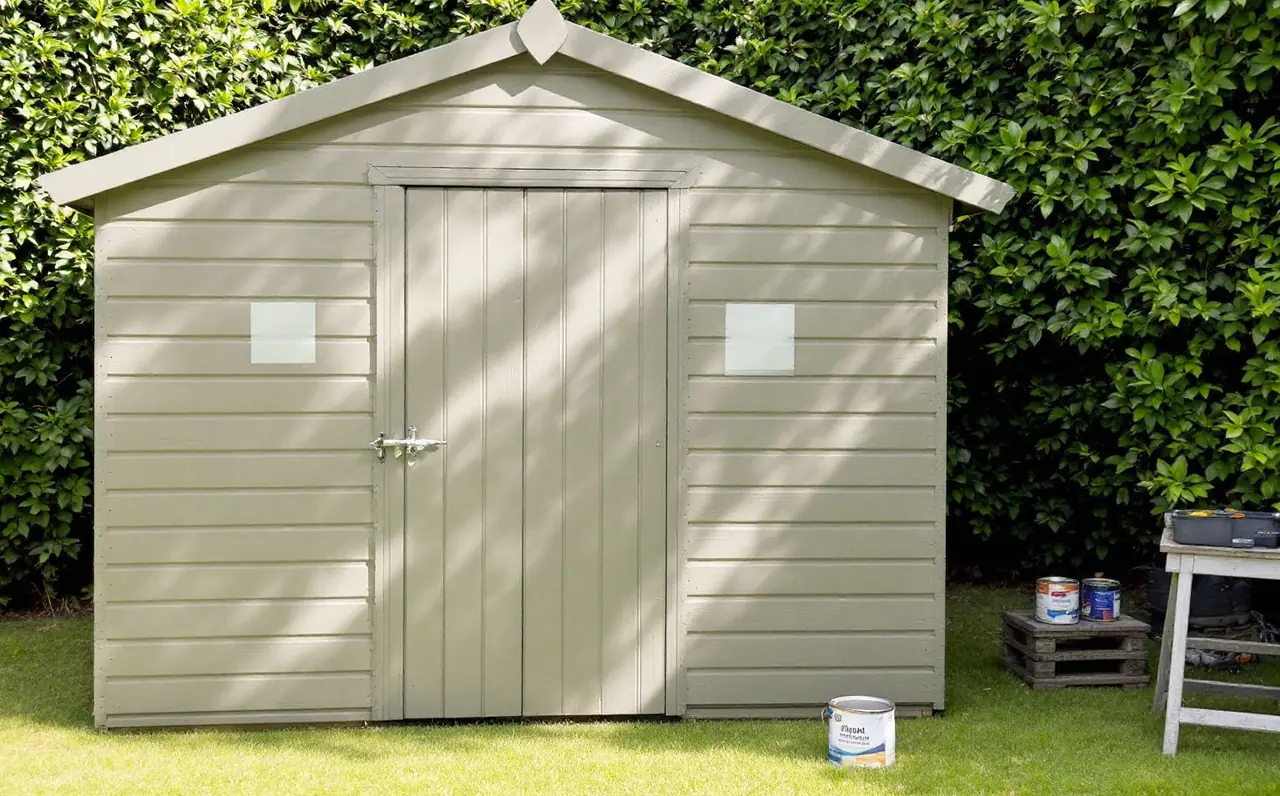
Grey and olive RAL shades for sheds and outbuildings
Six quiet greys and greens that sit well in a garden, how foliage, brick and sky shift them, and how to test a shed colour before you paint it.
Read the note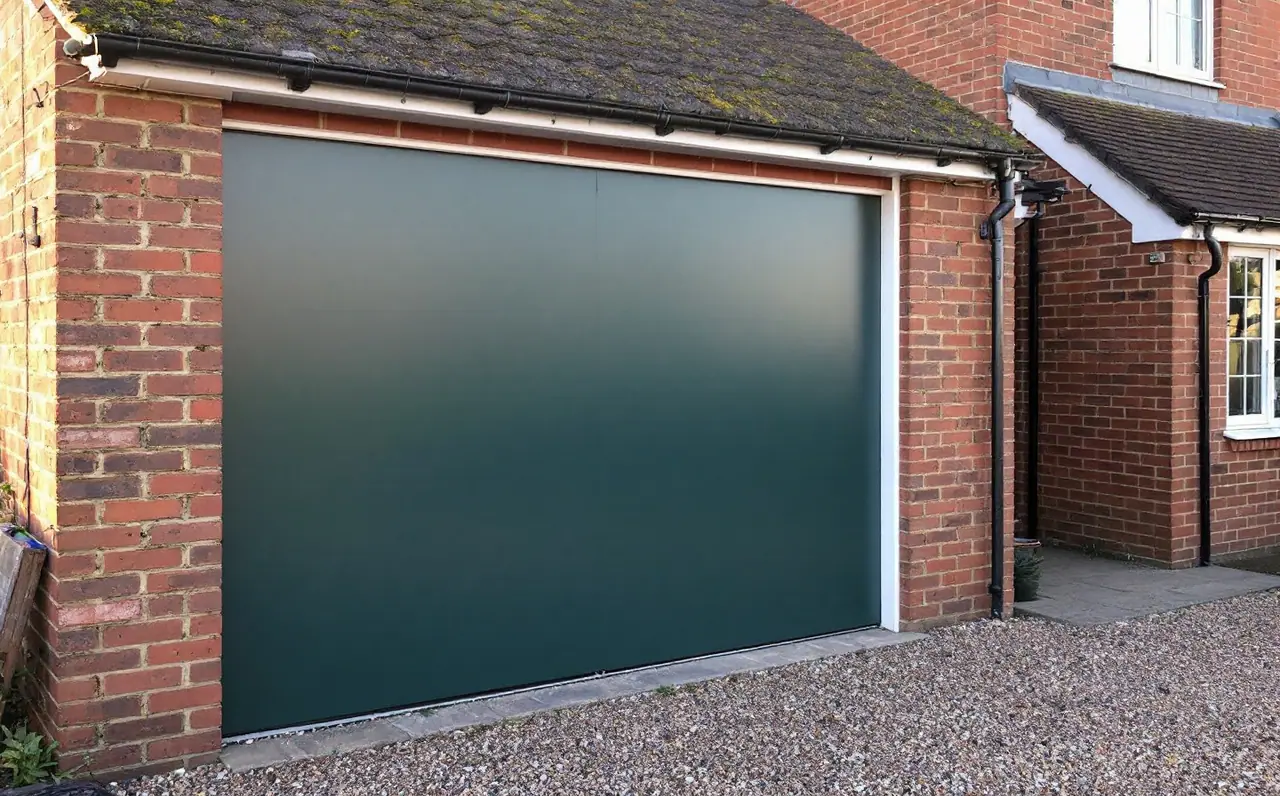
Choosing a garage door colour that suits the house
Match the windows or contrast on purpose, test a big card outside, and check the door maker's RAL list before you commit to a garage door colour.
Read the note